Offering various massage modalities and bodywork treatments to maintain optimal health and wellness.

Please scroll down for more information on massage services.

15

Years Experience

1,000+

Happy Clients

98%

Satisfaction Rate

Tranquil Massage Experience

Mobirise Website Builder

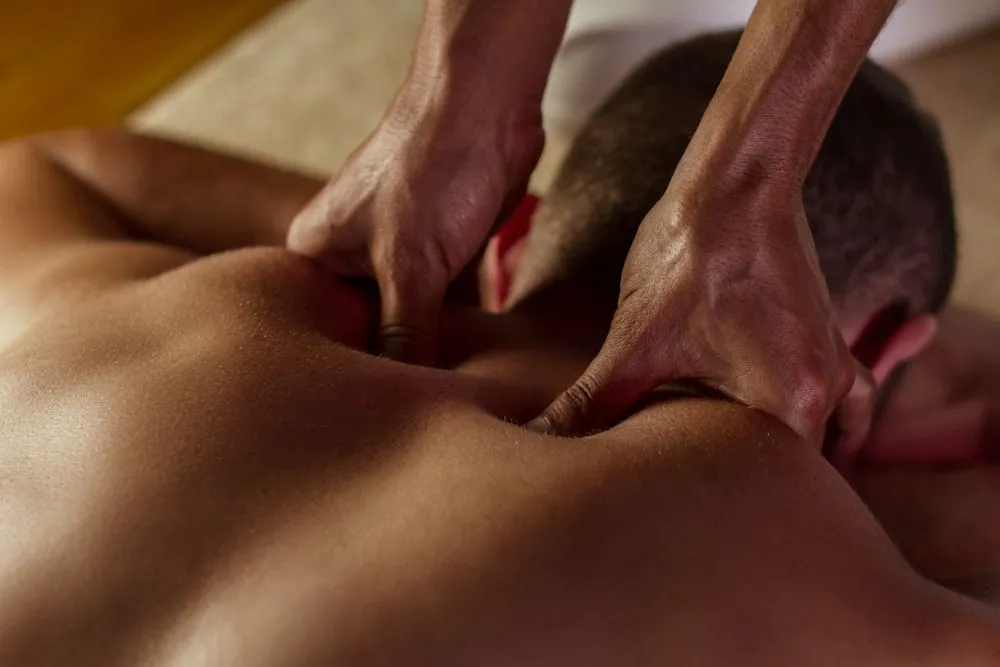
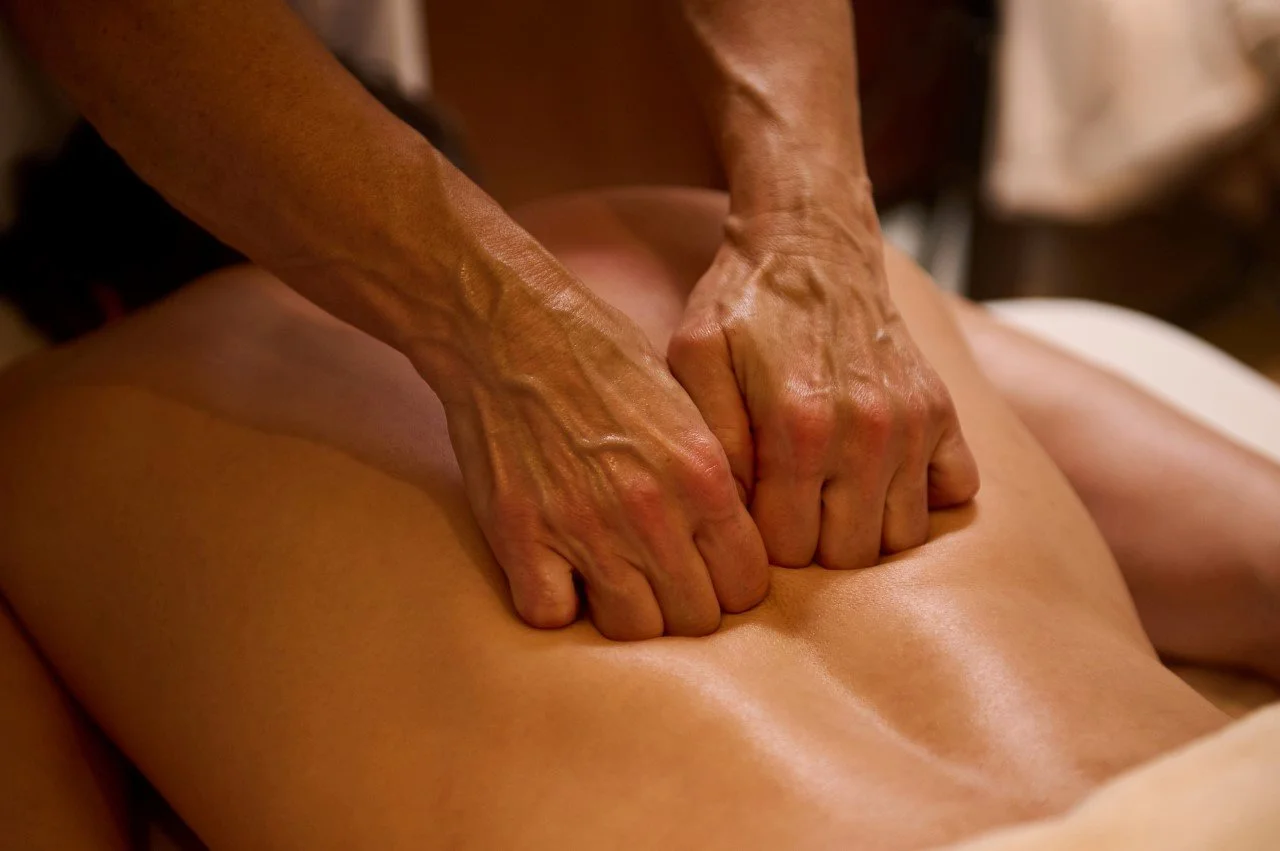
Deep Tissue and Sports Massage

Deep tissue massage offers both physical and psychological benefits. It can relieve muscle pain and stiffness and provide stress-relieving relaxation for the body and mind.

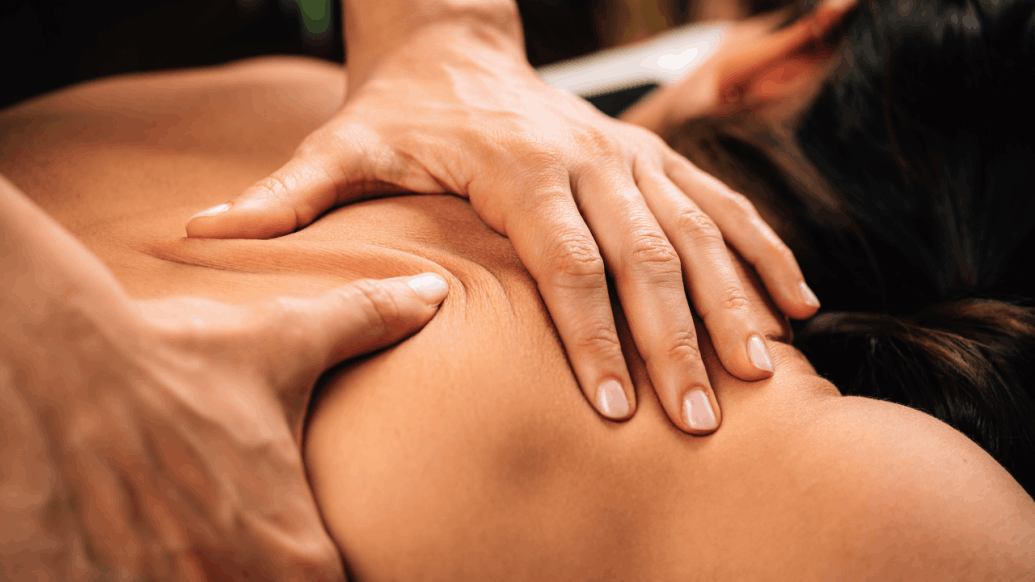
Deep tissue massage is a massage technique that’s mainly used to treat musculoskeletal issues, such as strains and sports injuries. It involves applying sustained pressure using slow, deep strokes to target the inner layers of your muscles and connective tissues. This helps to break up scar tissue that forms following an injury and reduce tension in muscle and tissue.

It may also promote faster healing by increasing blood flow and reducing inflammation.

Sports massage offers both physical and psychological benefits. 

A 2014 study involving 59 participants found that deep tissue massage helped to reduce pain in people with chronic low back injuries. The authors likened its effects to those of nonsteroidal anti-inflammatory drugs, such as ibuprofen (Advil).

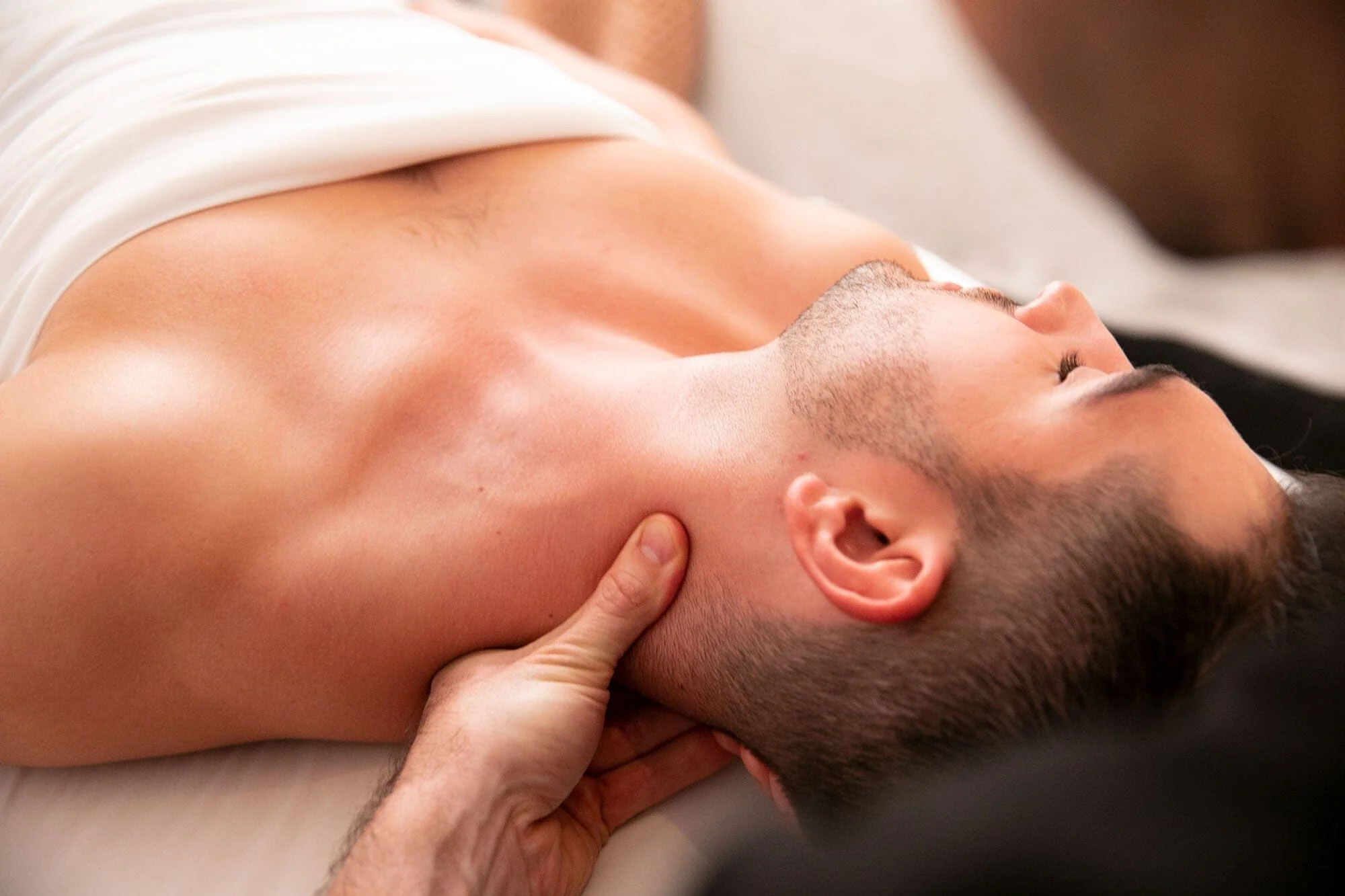
Massage therapists will use their fingers, thumbs or occasionally even elbows to apply the needed pressure. It is especially helpful for chronically tense and contracted areas such as stiff necks, low back tightness, and sore shoulders. Some of the same strokes are used as classic massage but the movement is slower and the pressure is deeper and concentrated on areas of tension and pain.

Unlike classic massage therapy, which is used for relaxation, deep tissue massage usually focuses on a specific problem, such as: chronic pain, limited mobility, recovery from injuries (e.g. whiplash, falls, sports injury), repetitive strain injury, such as carpal tunnel syndrome, osteoarthritis pain, fibromyalgia, and muscle spasms.
Mobirise Website Builder

Lomi Lomi Massage

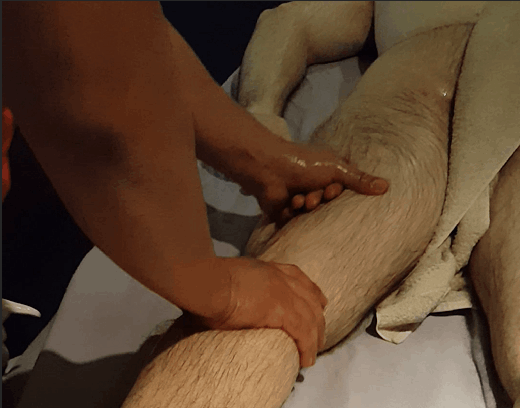
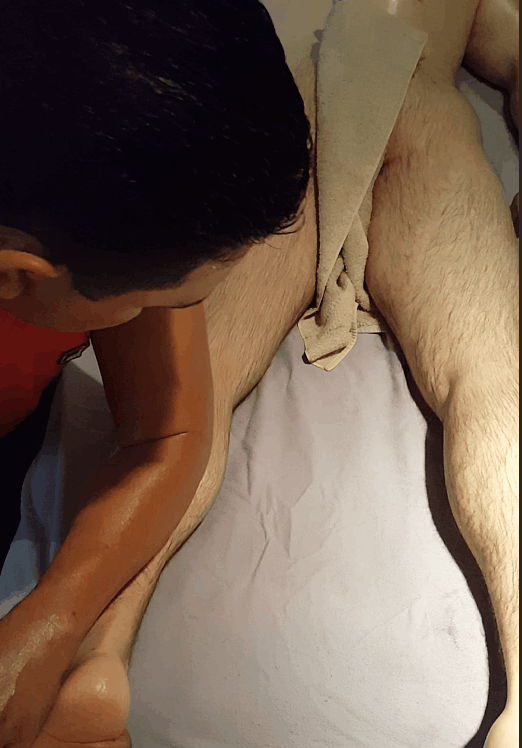
Lomi Lomi (meaning “to knead, to rub, or to soothe”) is a sacred Hawaiian massage technique that uses long, flowing strokes, rhythmic movements, and sometimes even the practitioner’s forearms and elbows to release tension. Unlike traditional Swedish or deep tissue massages, Lomi Lomi incorporates elements of energy work, breathwork, and spiritual focus to promote harmony and relaxation.

1. The Flowing, Dance-Like Strokes

Lomi Lomi uses continuous, wave-like strokes that mimic the ocean’s movement. The therapist’s hands glide smoothly over your body, often using forearms and elbows to apply deeper pressure where needed.

2. Use of Warm Oil

A key feature of Lomi Lomi is the application of warm, fragrant oil (often coconut or macadamia nut oil) to help the hands glide effortlessly over the skin. The scent and warmth enhance relaxation.

3. Full-Body Integration

Unlike other massages that focus on one area at a time, Lomi Lomi treats the body as a whole. The therapist works symmetrically, ensuring energy flows freely throughout your body.

4. Breathwork & Energy Alignment

Your practitioner may encourage deep breathing or incorporate gentle rocking motions to help release blocked energy. Some sessions include prayer (pule) or Hawaiian chants (oli) to enhance the healing experience.

After the Massage

* Hydrate: Drink plenty of water to help flush out toxins.
* Rest: Give yourself time to absorb the benefits—avoid rushing back into a hectic schedule.
* Emotional Release: It’s common to feel emotional afterward as stored tension is released.

Benefits of Lomi Lomi Massage
* Deep relaxation & stress relief
* Improved circulation & lymphatic drainage
* Emotional healing & mental clarity
* Enhanced flexibility & muscle relaxation

Mobirise Website Builder

Swedish Massage

The term “Swedish massage” refers to a variety of techniques specifically designed to relax muscles by applying pressure to them against deeper muscles and bones, and rubbing in the same direction as the flow of blood returning to the heart. The main purpose of Swedish massage is to increase the oxygen flow in the blood and release toxins from the muscles.

Swedish massage:
*shortens recovery time from muscular strain by flushing the tissues of lactic acid, uric acid, and other metabolic wastes;
*increases circulation without increasing heart load;
stretches the ligaments and tendons keeping them supple and pliable;
*stimulates the skin and nervous system and soothes the nerves themselves at the same time;
*reduces stress, both emotional and physical, and is suggested in a regular program for stress management; and carries out many specific medical uses.

Swedish massage techniques include:
*Effleurage: gliding strokes with the palms, thumbs and/or fingertips;
*Petrissage: kneading movements with the hands, thumbs and/or fingers;
*Friction: circular pressures with the palms of hands, thumbs and/or fingers;
*Vibration: oscillatory movements that shake or vibrate the body;
*Percussion: brisk hacking or tapping; and
*Passive and active movements: bending and stretching.

A traditional Swedish massage involves the whole body. You will begin on either your back or your stomach and flip over at the halfway point.

If you have an area of particular concern, such as a tight neck, you can ask your therapist to spend more time in this area. Depending on your preferences, you can ask your massage therapist to use light, medium, or firm pressure.

During most full-body massages, the expectation is you’ll be undressed. Your massage therapist will ask you to undress for your massage while they wait outside. It’s up to you whether to keep your undergarments on.

Your massage therapist will drape a sheet over your body. They will pull back and adjust it as they work their way around. You will be covered most of the time.

Your massage therapist will use an oil or lotion to allow for smooth and long stokes. They may also ask if you have a preferred aromatherapy scent.

Speak with your therapist about your injuries:
*Be clear about the extent of your injuries, if any, how long they’ve been healing, and what your current pain level is.
*Talk about your comfort levels: Tell the massage therapist which areas you do not want them to touch. For example, some people are uncomfortable with their buttocks being massaged.
*Talk about your goals and expectations: Do you just want to relax? Are you trying to recover from an injury?
*Discuss pressure: Speak with your therapist about what level of pressure is best for you.
*Warm up: If possible, warm up your muscles by taking a warm shower, soaking in a hot tub, or spending a few minutes in a sauna.
*Hydrate: Drink plenty of water before your massage.

Mobirise Website Builder

Aromatherapy and Hot Stone

Most people have heard that specific strong smells can produce responses in mind and body. For example, have you ever walked down the bath or candle aisle of your favorite store and realized that you suddenly feel calm, nostalgic, or "triggered" with a memory from your past? These sensory reactions that influence our mind and cause physical reactions in our body can be utilized to induce positive effects, like relaxation, stimulation, and the calming of nerves. Using the scents to achieve these effects is the purpose of aromatherapy.

Put simply, aromatherapy is a technique where essential oils are used to promote and improve mental and physical well-being. Simply put, essential oils are aromas, and a lot of their benefits come from simply inhaling them. Their vaporized molecules travel through our nasal cavities to the olfactory bulb and trigger the hypothalamus. Smells also reach the limbic part of the brain, where our instincts, memories, and emotions of pleasure and pain are stored.

More recently, several studies have started to substantiate some of the very real benefits of aromatherapy, including; reducing fatigue, increasing energy, reducing nausea, relieving symptoms of anxiety and depression, improving sleep quality, and decreasing stress.

Essential oils can be a powerful addition to massage therapy for stress, tension, anxiety, and pain. Our fast paced and hectic lives are full of stress and anxiety inducing events. Aromatherapy can provide a powerful means of combating these negative influences and return us to baseline. 

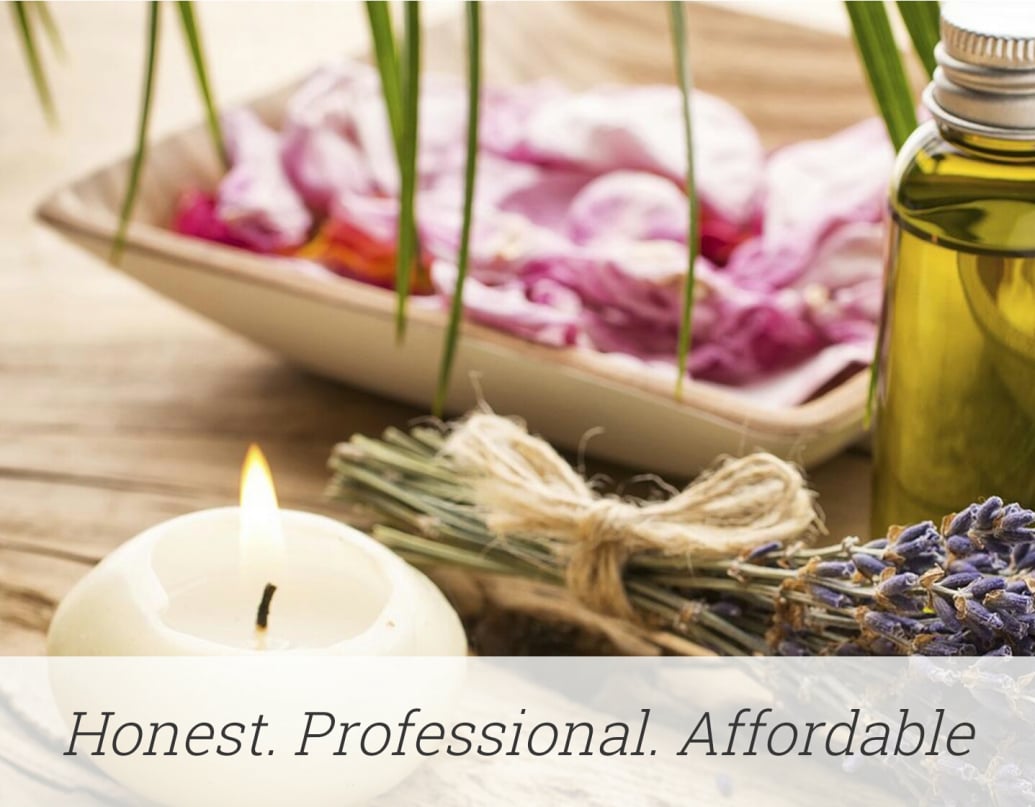
Different aromas can be used to induce powerful change and our massage therapists are specifically trained in these benefits. For example, rosemary and peppermint are excellent for treating headaches; Cinnamomum Camphora is great for treating inflammation and unblocking; Lavender and rose are excellent for relaxation and improving sleep quality. 

Discuss your specific needs with your masseuse and they will tailor your treatment to the best aroma.

Best AI Website Creator